


Spoiler Warning: This post contains full spoilers for A Court of Thorns and Roses by Sarah J. Maas. If you haven’t read the book yet and want to experience it in its absolute glory, this is your sign to stop here and come back later. Then again, if you’re like me and like to know what you’re getting into, then please feel free to proceed.
Story Summary: Book 1 – A Court of Thorns & Roses
Hook: A Life Already Starving
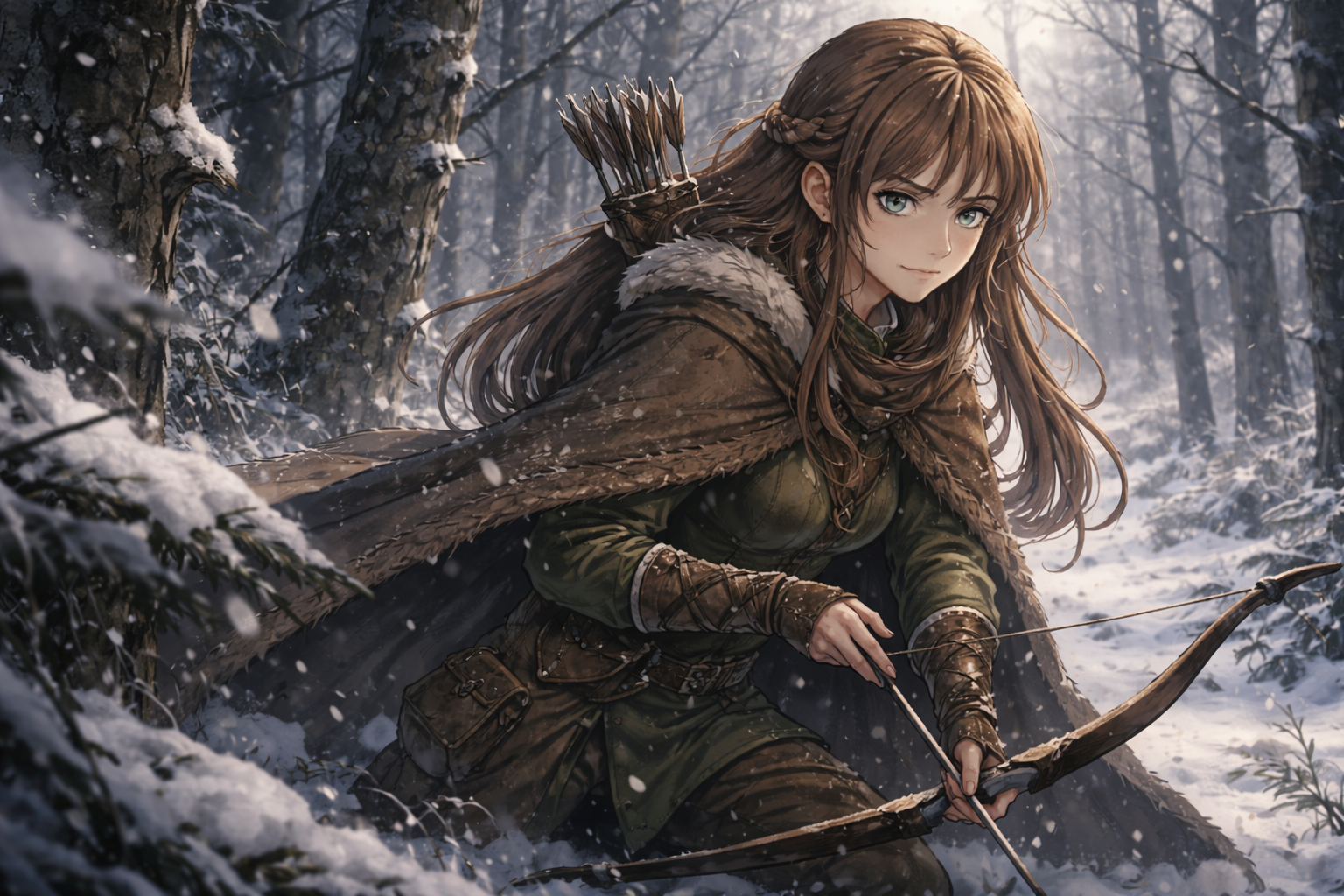
Feyre Archeron is a nineteen-year-old human living in extreme poverty with her father and two sisters near the wall separating the mortal lands from Prythian, the faerie realm. She hunts to keep her family alive, despite the danger and her own resentment at being the sole provider. There’s a sense that her life has already narrowed into something small and unforgiving.
Plot Turn 1 (Inciting Incident): The Kill That Crossed the Wall
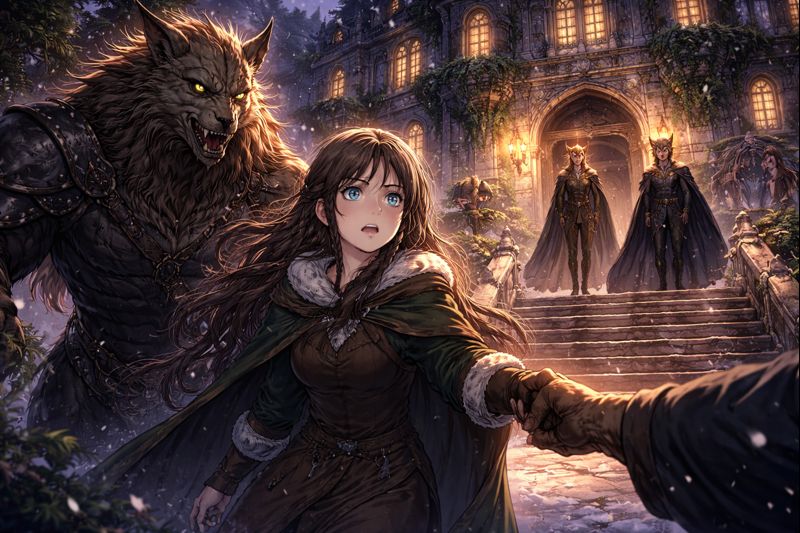
During a winter hunt, Feyre kills a large wolf she suspects may have been a faerie in disguise. Shortly after, a terrifying beast arrives at her cottage demanding retribution. Feyre is taken across the wall to Prythian as payment for the life she ended, leaving her human world behind permanently.


Pinch Point 1: A Golden Mask and a Beautiful Prison
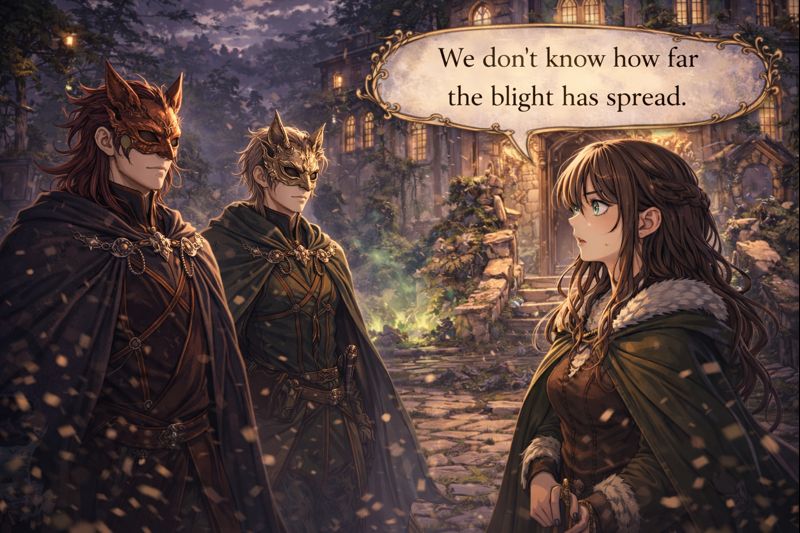
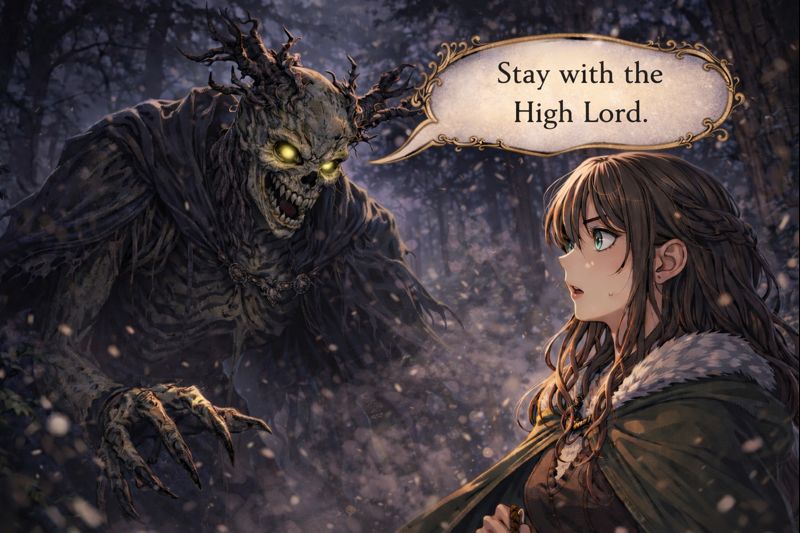
Feyre learns the beast is Tamlin, High Lord of the Spring Court, who lives under a curse that forces him and his court to wear masks. Though allowed relative freedom, Feyre is trapped. As she clashes with Lucien and slowly grows closer to Tamlin, she becomes aware of the blight spreading across Prythian and the looming power of Amarantha, whose control threatens all the courts.
Details:
- Tamlin wears a golden mask and lives under a mysterious curse affecting all the High Fae in his court. Feyre is told she may live freely on the estate, but she cannot leave.
- Feyre resents her captivity and clashes with Lucien, Tamlin’s emissary, whose sharp tongue and guarded demeanor mask his loyalty and pain. Over time, Feyre begins to notice the careful secrecy surrounding the court and the strange tension beneath its beauty.
- As weeks pass, Feyre’s hostility softens. Tamlin shows her kindness, patience, and protection. Feyre learns about Prythian, the courts, and the ongoing blight spreading across the land, weakening magic and threatening stability.
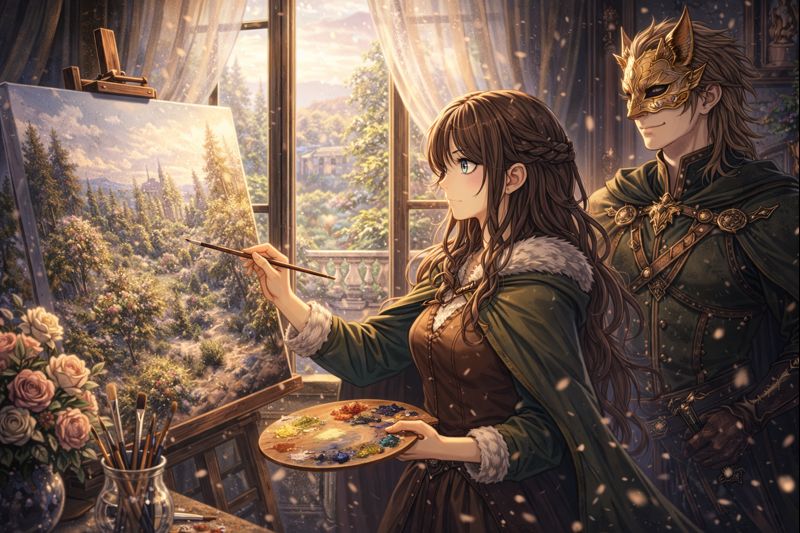
- Feyre begins to paint again, using art to process her surroundings and emotions. Her relationship with Tamlin deepens into mutual affection, then love, though much remains unspoken due to the curse preventing Tamlin from explaining the truth.
- Feyre learns that a powerful faerie queen named Amarantha rules Under the Mountain and has enslaved the High Lords through dark magic. Tamlin was cursed because he rejected her and tried to protect his court.

Midpoint: Choosing to Return
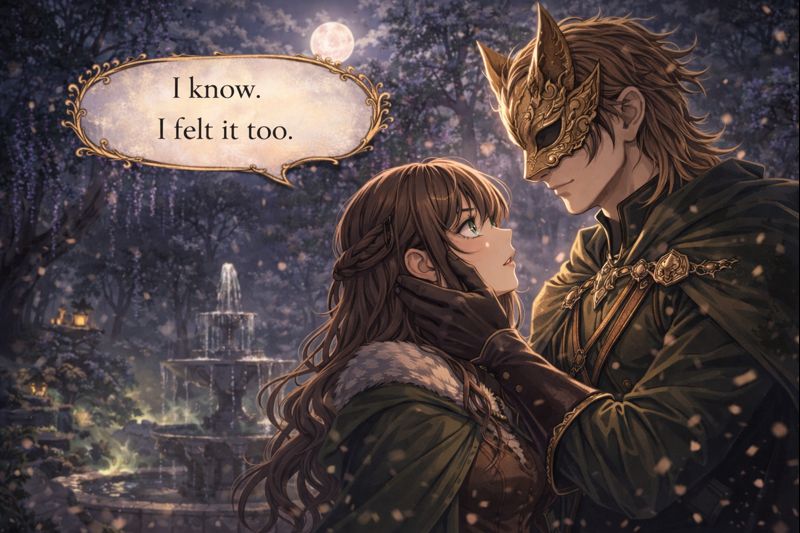
Feyre and Tamlin fall in love, and Feyre briefly experiences safety, beauty, and belonging. That illusion shatters when Tamlin sends her back to the mortal realm to protect her. Feyre realizes she loves him and chooses to return to Prythian of her own free will, transforming from captive to active participant in her fate.
Pinch Point 2: Three Trials, One Human Heart
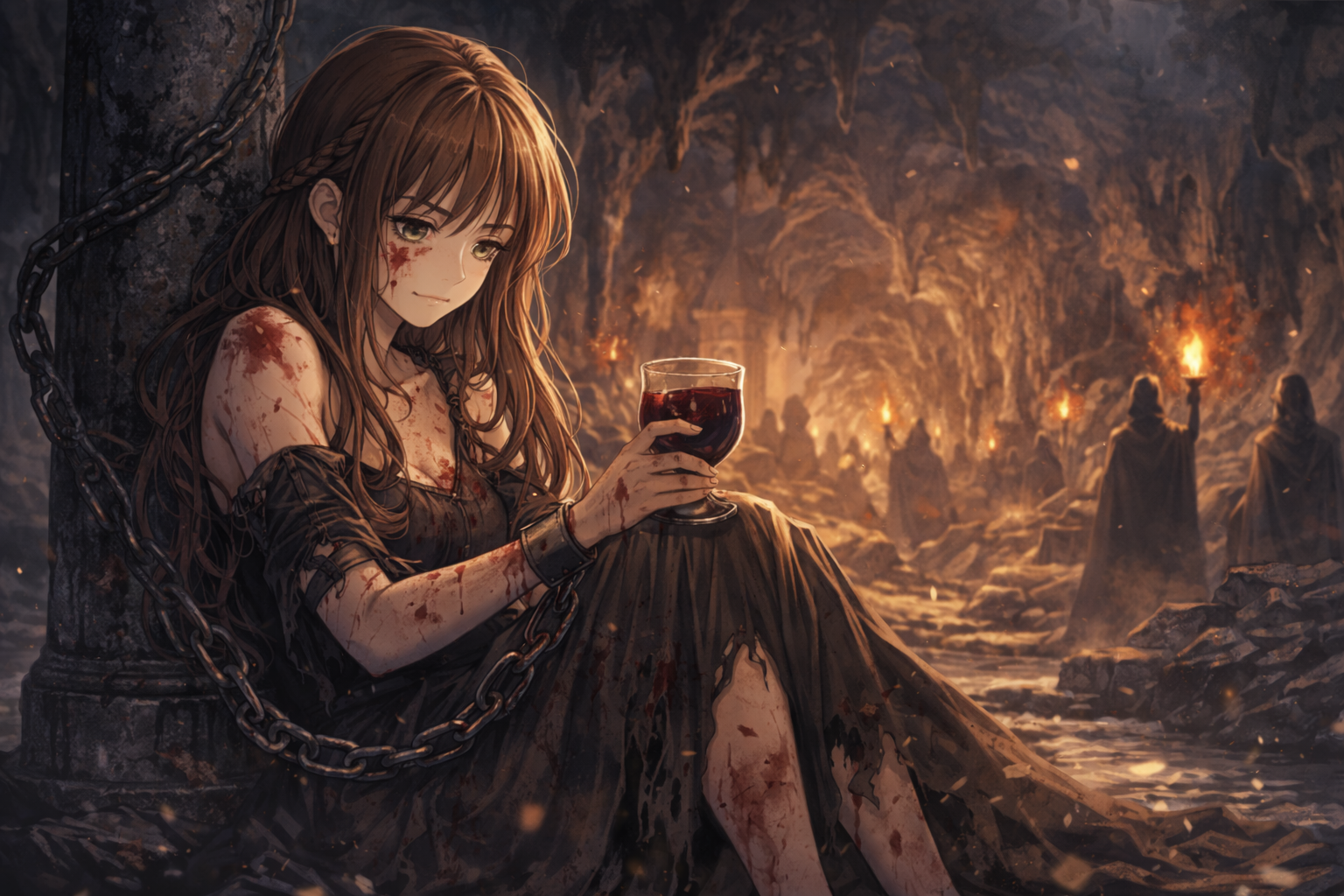
Under the Mountain, Feyre is imprisoned by Amarantha and forced into a deadly bargain: complete three trials or solve a riddle to free Tamlin and Prythian. The trials nearly kill her, breaks her body, and erodes her spirit. Between them, she is emotionally shattered, dependent on faerie wine, and convinced she will not survive.
Details
- Feyre travels Under the Mountain and strikes a bargain with Amarantha: if she completes three trials or solves a riddle within three months, Tamlin and his court will be freed. Failure means her death.
- The first trial forces Feyre to navigate a deadly labyrinth and kill a monstrous creature. She survives through endurance and instinct rather than strength.
- Between trials, Feyre is imprisoned and emotionally broken. Rhysand, the High Lord of the Night Court, forces her to drink faerie wine and dance nightly to protect her from worse harm while maintaining his cover as Amarantha’s servant.
- The second trial traps Feyre in a pit with a descending, spike-lined ceiling and a lever puzzle she cannot read. Her illiteracy nearly kills her, and she survives only by following instinct and Rhysand’s subtle guidance.
- Feyre realizes Rhysand is protecting her in his own way. His motives remain unclear, but his actions repeatedly save her life. Their dynamic grows more complicated.
- The days before the final trial, Feyre grows dependent on the wine to escape despair. She believes she will not survive the final trial and begins to accept death.
- Music drifts into Feyre’s cell, reminding her of beauty and love. The moment renews her resolve. (We later learn this reprieve came from Rhysand.)
Plot Turn 2: What Survival Demands
During her final trial, Feyre is ordered to kill three innocent fae with ash daggers.
Feyre kills the first faerie, emotionally shattered by the act. The crowd reacts with horror and grief. Feyre dissociates to survive.
The second faerie accepts death calmly, offering prayers. Feyre kills her as well, losing another piece of herself. The cost of survival becomes unbearable.
She killed the first two in order to save Prythian, believing their deaths will free Tamlin and end Amarantha’s rule.
The third victim is revealed to be Tamlin himself. Feyre finally realizes from fragments of past overheard conversations (& other signs) that his heart has been turned to stone and that the ash blade cannot kill him. She takes the risk and stabs him, fulfilling the trial without killing him.

Amarantha refuses to honor the bargain and brutally tortures Feyre, demanding she deny her love and Feyre realizes the answer to the riddle is love and speaks it aloud. Feyre dies after speaking the answer.
Resolution: Immortal & Scarred
Amarantha’s spell breaks instantly. Tamlin regains his full power and kills Amarantha.
Feyre has died, but Rhysand convinces the The High Lords of Prythian to resurrect Feyre by giving her fragments of their power. Each court grants her a piece of their power, transforming her into High Fae. Life is restored, but nothing is undone.
Feyre awakens, immortal and changed. The victory feels hollow beneath the weight of what she has done. Celebration surrounds her, but she remains distant.

Tamlin’s mask falls as the curse on the Spring Court is lifted. Prythian is freed from Amarantha’s rule. The enslaved courts regain their autonomy, and the mountain is sealed.
Feyre says goodbye to Rhysand, acknowledging his role in keeping her alive. He warns her future will not be simple. Something about her unsettles him deeply.
Feyre and Tamlin return to the Spring Court. Though reunited and safe, Feyre carries lasting guilt and emotional scars from her time Under the Mountain.
The book ends with Feyre choosing to move forward with Tamlin, knowing that survival came at a personal cost she will one day have to face.
Fav Scene: Two Survivors at the Edge of What Comes Next
Feyre’s final conversation with Rhysand (for this book anyway *wink* —if you know, you know). Note: I snip some words out in the scene below for brevity.
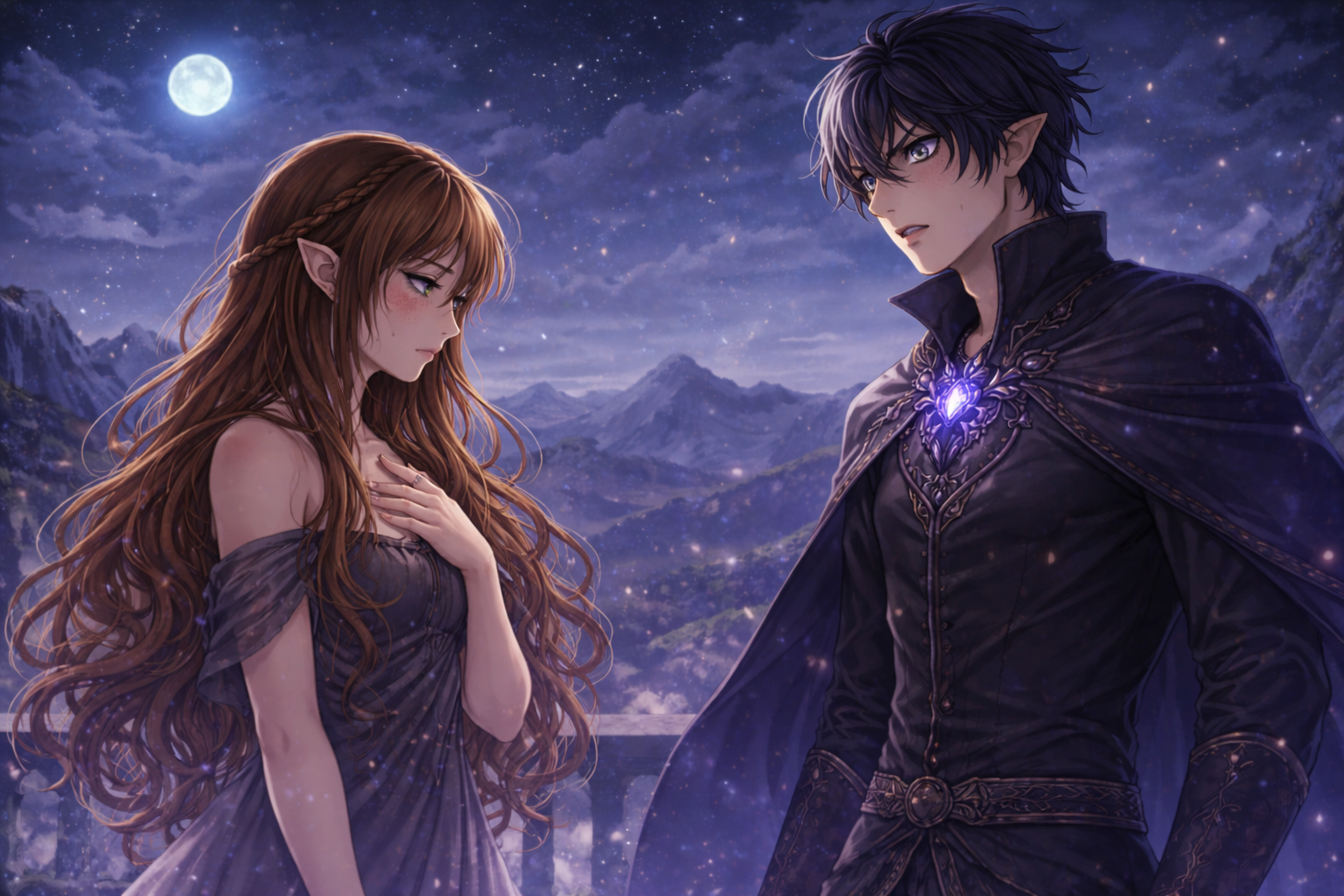
Some color had already come into that moon-white face—and I wondered whether he might once have been tan before Amarantha had kept him below ground for so long. A High Lord who loved to fly—trapped under a mountain. Shadows not of his own making still haunted those violet eyes. I wondered if they would ever fade.
“How does it feel to be a High Fae?” he asked—a quiet, curious question.
I looked out toward the mountains again, considering. And maybe it was because there was no one else to hear, maybe it was because the shadows in his eyes would also forever be in mine, but I said, “I’m an immortal—who has been mortal. This body is different, but this”—I put my hand on my heart—“this is still human…But it would have been easier to live with…” My throat welled. “Easier to live with what I did if my heart had changed, too…”
Rhysand stared at me for long enough that I faced him. “Be glad of your human heart, Feyre. Pity those who don’t feel anything at all.”
I couldn’t explain about the hole that had already formed in my soul—didn’t want to, so I just nodded.
“Well, good-bye for now,” he said, rolling his neck as if we hadn’t been talking about anything important at all. He bowed at the waist, those wings vanishing entirely, and had begun to fade into the nearest shadow when he went rigid.
His eyes locked on mine, wide and wild, and his nostrils flared. Shock—pure shock flashed across his features at whatever he saw on my face, and he stumbled back a step. Actually stumbled.
“What is—” I began.
He disappeared—simply disappeared, not a shadow in sight—into the crisp air.
That moment made it clear that something important was unfolding between them and at first, I wasn’t thrilled. My immediate reaction was: really? Another love interest? The oldest trick in the book? We couldn’t find a more unique way to keep Feyre & Tamlin interesting?
But I was wrong. This story was always meant to reach beyond Feyre and Tamlin. And the next book makes that unmistakably clear. (Yes, a summary of books 2 & 3 is being worked on as we speak, stay tuned!)
Opinion: Why I’m Glad I Kept Reading
Slow Start
Truth be told ACOTAR started off real slow for me, and there were moments when I genuinely considered rolling my eyes and calling it quits. It was the summaries, the fan discussions, and people sharing key scenes and storylines that convinced me to keep going—and I’m so glad I did.
Redeeming Second Half
From Damsel to Heroine
It was the second half of the book when the flip from damsel in distress to it being a story where finally the girl was the champion, trying to win back her ‘prince’ that did it for me. From that point on, the story finally had my full attention.
Challenges & Personal Stakes
The challenges were also interesting and her progress through it as a regular, unremarkable human was believable. She didn’t heroically make it through. She struggled through the challenges. And Rhysand helping her along because he had a personal stake in it instead of just having romantic feelings made it more real and worthwhile. Just doing it based off emotions alone would’ve been too cliché.
Morally Questionable
Also loved that for the first time ever, the heroine actually does something morally questionable like kill people, albeit for ‘the greater good’. We always hear those psych tests, the moral thought experiments where a runaway train is about to kill people, and you’re forced to choose between two bad options—a) letting several people die or b) actively causing one person to die to save the rest.
Psychologists use them to study:
- Utilitarian thinking (maximize lives saved)
- Deontological thinking (some actions feel wrong no matter the outcome)
- Emotional vs rational decision-making
They’re less about “what’s the right answer” and more about exposing how uncomfortable humans are with causing harm directly, even when outcomes are better. They reveal instincts, not morals carved in stone.
Consequences are Felt
In so many typical romances, bad things happen and then it’s over. The consequences of Feyre’s actions bleed into book 2 and I love how it’s not forgotten, but felt. Because it can’t be forgotten. It wouldn’t make sense for the main character to just do bad things (albeit for the right reasons) and then move on. I appreciate how Maas has actual emotional consequences show in her books without it being completely depressing. That balance is so hard to strike but she’s done it.
Closing Thoughts
A Court of Thorns and Roses works because it refuses to let its heroine walk away clean. Feyre survives, she wins, she is transformed—but the story insists that survival leaves residue. Guilt lingers. Love complicates rather than heals. Power arrives hand-in-hand with loss. That choice is what elevates the book beyond a standard fantasy romance.
By the end, the fairy tale has cracked open. The happily-ever-after exists, but it feels provisional, fragile, and incomplete. Feyre’s human heart becomes both her greatest strength and her greatest burden. It’s a quiet promise that the story isn’t done asking hard questions yet. It’s the kind of ending that lingers. If the first half of the book tests your patience, the second half rewards it.
Book 2 Summary:
Book Summary: A Court of Mist and Fury (ACOMAF)
As usual, full spoilers ahead. Split into story summary -…
Subscribe
Welcome to my digital commonplace book. Sign up below to receive articles on all the things I found interesting this week. (I usually write about writing, productivity, self-evolution, with a sprinkle of personal finance here and there.)


 Green Where You Water It
Leave a comment