
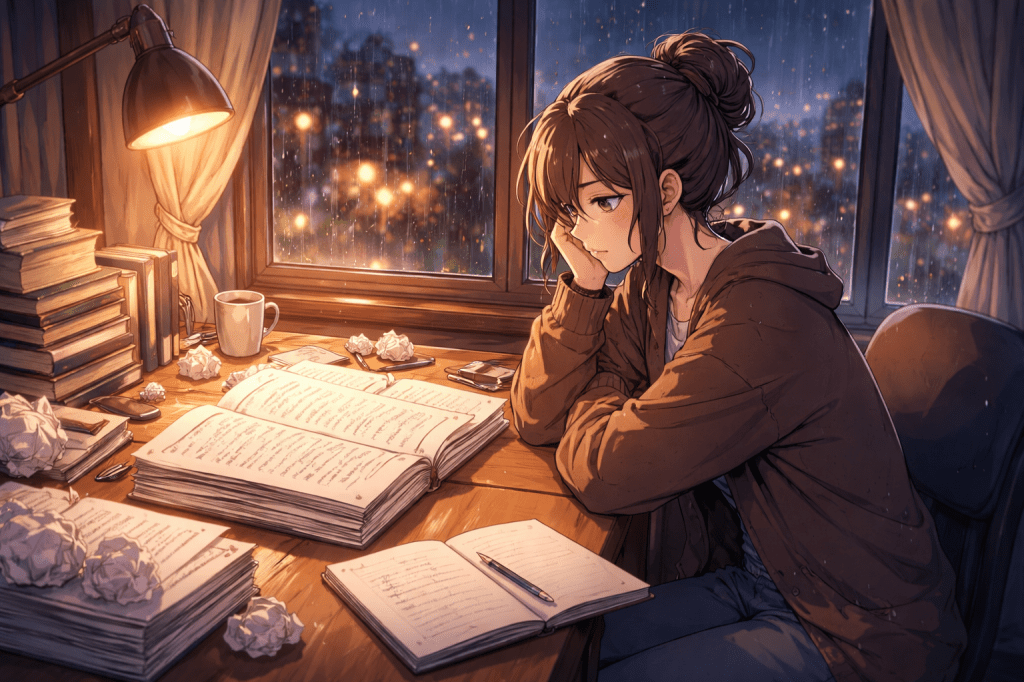
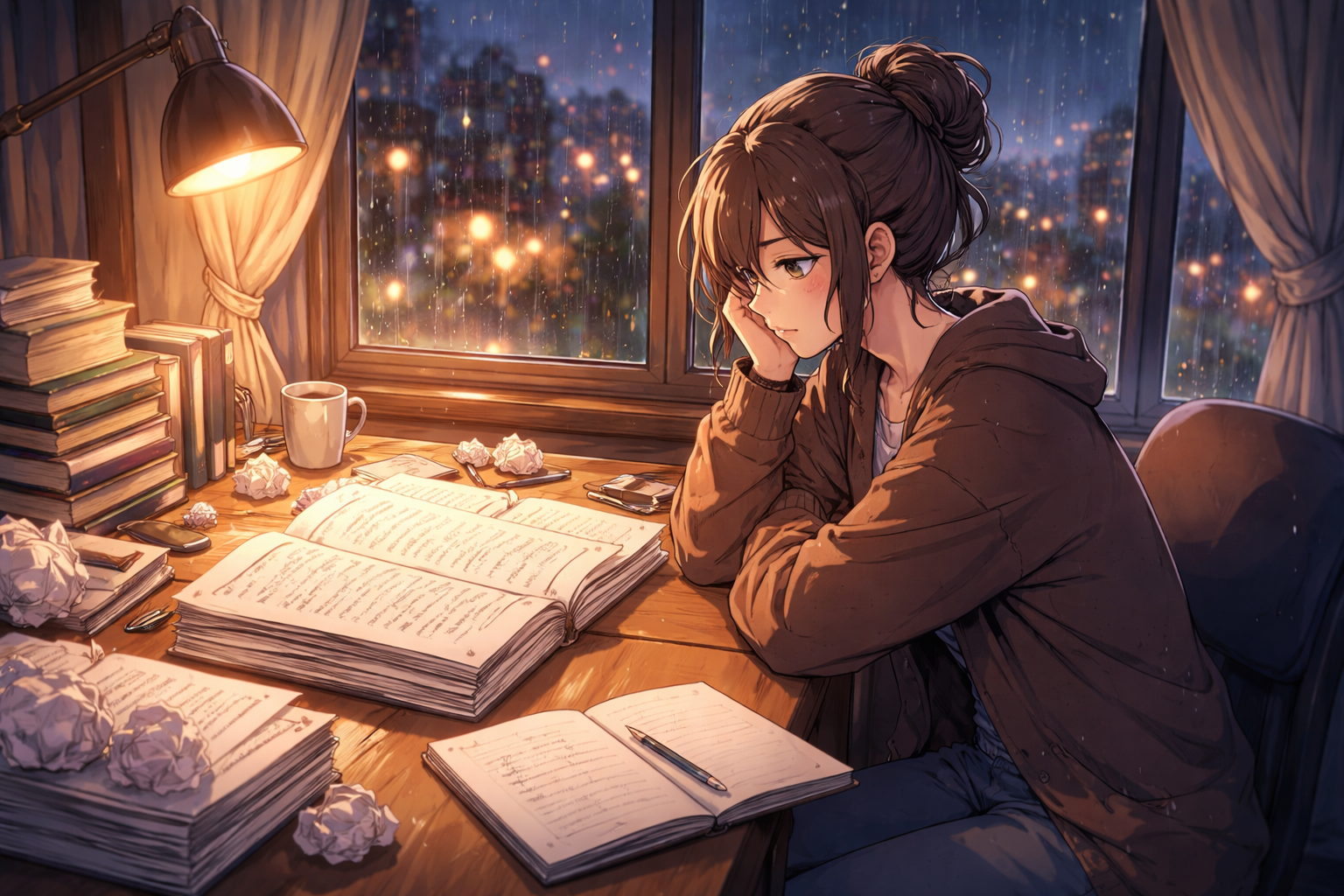
Starting a book is exciting, sometimes even magical.
Ideas feel limitless. Characters appear in your mind. Scenes unfold with surprising clarity. Many writers can produce thousands of words in the early stages because the story feels alive and full of possibility.
But somewhere along the way, something changes.
The momentum slows. Doubt creeps in. The story becomes harder to continue.
And for many writers, the book quietly stops there.
The truth is that the problem usually isn’t a lack of ideas or talent. It’s a combination of psychological hurdles that almost every writer encounters at some point.
1. The Ending Feels Unclear
One of the biggest reasons writers stall is simple: they don’t know where the story is going.
At the beginning, writing feels like exploration. Scenes emerge naturally and the story seems to write itself.
But eventually the writer reaches a moment where the direction becomes uncertain. Without a sense of the ending, it becomes difficult to keep building toward something meaningful.
Some writers lose motivation at that point because continuing feels like wandering without a destination.
2. The Story Stops Feeling Magical
The early stages of writing are powered by discovery.
New ideas appear constantly. Characters surprise you. The world feels exciting.
Later in the process, writing becomes more deliberate. You have to solve structural problems, connect scenes, and make the story coherent.
This stage feels less magical, but it’s where real writing happens. Many first-time writers mistake the loss of novelty for a loss of inspiration.
3. Perfectionism Appears
At the start, writers often give themselves permission to experiment.
As the story grows, expectations grow with it. The writer begins imagining how readers might judge the story. Every scene suddenly feels like it must be perfect.
Perfectionism can freeze progress because finishing requires writing imperfect pages.
The first draft of a book is rarely elegant. Its purpose is to exist so it can later be improved.
4. The Middle Becomes Difficult
The middle of a story is where structure matters most.
The beginning introduces characters and the world. The ending resolves the conflict. The middle is responsible for building tension and deepening the stakes.
Many writers reach this section and realize they don’t yet know how the pieces connect. Without a clear escalation of conflict, the story can feel like it’s drifting.
This is one reason experienced writers spend time mapping major turning points before finishing a draft.
5. Fear of Finishing
This may be the quietest reason of all.
An unfinished book still contains infinite potential. It could become something brilliant. Once the book is finished, it becomes something real that can be judged.
For some writers, continuing the draft means confronting the possibility that the story may not live up to their original vision.
Stopping protects the dream.
Finishing requires accepting that the first version will simply be a beginning.
The Writers Who Finish
Writers who complete books usually develop one crucial habit: they continue even when the excitement fades.
They accept that writing moves through phases.
The beginning is discovery.
The middle is problem-solving.
The ending is persistence.
Finishing a book is rarely about waiting for inspiration. It’s about continuing long enough for the story to take its final shape.
Final Thought
Almost every writer has abandoned a draft at some point.
The difference between writers who finish and those who don’t is the willingness to keep going after the story stops feeling effortless.
The magic returns later—when the final scene is written and the story finally exists outside your imagination. And when you come back to it after some time away, you might even be surprised. Despite its imperfections, you see that you really did tell the story you set out to tell.
That moment makes the struggle worthwhile.
 Green Where You Water It
Leave a comment