

They’re scaffolding for pattern recognition, taste-building, and deeper understanding.
Finishing a book cover to cover feels virtuous. Like drinking celery juice. Like waking up at 5 a.m and replying “Sounds good!” to an email you do not, in fact, think sounds good.
You close the book. You exhale. Somewhere, an imaginary librarian nods at you in approval. You are now a Responsible Reader™. Your reward is nothing, but you feel spiritually superior for about two minutes.
Then reality slithers in.
Because you realize completion doesn’t guarantee understanding, insight, or growth. It mostly guarantees that you can say, “Yeah, I read it,” while remembering exactly three ideas, one oddly specific anecdote about the author’s childhood—usually involving a library card they treated like a sacred object, a long summer afternoon that “changed everything,” and a grandmother who treated television like a moral failing—and a vague sense that the middle chapters were…kind of a blur.
What actually matters when reading is what stays with you—patterns, arguments, emotional beats, ways of thinking. Book summaries help with that. They get your brain warmed up so deep reading doesn’t feel like being dropped into a big gaping fishing hole (who left that unattended?) in the middle of the Artic Ocean with a paperback, a folding chair, and a prayer.
Over time, I’ve started treating summaries as a first-pass filter. They help me decide which books deserve a slow, immersive read—and which ideas I’ve already absorbed well enough to respectfully ghost. No hard feelings. It’s not you. It’s the chapter length. And all the words.
This approach has saved me time, energy, and the deeply human experience of finishing a book out of sunk-cost fallacy—you know, when you’re taping your eyelids open and mainlining caffeine while whispering “I’ve come too far” to absolutely no one.
This is the method I keep coming back to: overview first, depth later. Sometimes later never comes—and that’s okay. The goal was never to finish everything. It was to understand what mattered.
Why Reading Book Summaries Deepen Your Reading Experience
#1 – Reading Well Requires Pattern Recognition (Summaries Give You a Head Start)
The brain doesn’t remember pages; it remembers structures, ideas, emotional beats. It remembers shapes.

You do not recall that in Harry Potter and the Half-Blood Prince, Chapter 24, page 496, Harry—in his haste to hide the potions book—casually handled a Horcrux he would be in search of in Book 7 like it was a decorative paperweight. No, you recall what kind of book it was.
The Dark and Dreary One.
The “Why Is Everyone So Moody” One.
The “Snape’s a Twit” One.
(Personally, I preferred Goblet of Fire. Better vibes. Dragons. Mermaids. Hot guys. Hot guys riding dragons. Anyway.)
When you read a full book, your brain is juggling everything at once: examples, metaphors, anecdotes, repetition, and that one story that definitely didn’t need to be three pages long. A summary removes the garnish and hands you the skeleton.
You see the core claim. The supporting moves. The emotional arc.
You also begin to recognize that most books follow repeatable shapes:
- problem → tension → resolution
- claim → evidence → implication
- belief → challenge → reframing
Once you start seeing these patterns, you can’t unsee them. It’s like realizing every productivity book is secretly the same book wearing a different blazer.
Summaries make the pattern obvious. Full books add ambiance.
#2 – Summaries unlock comparative thinking
Reading one full book gives depth. Reading five summaries gives range. (Reading neither gives strong opinions on the internet, which we’re trying to avoid here.)
Range lets your brain notice similarities and differences:
- “Wait, this argument again?”
- “Oh, this is just that other idea with better branding.”
- Or:
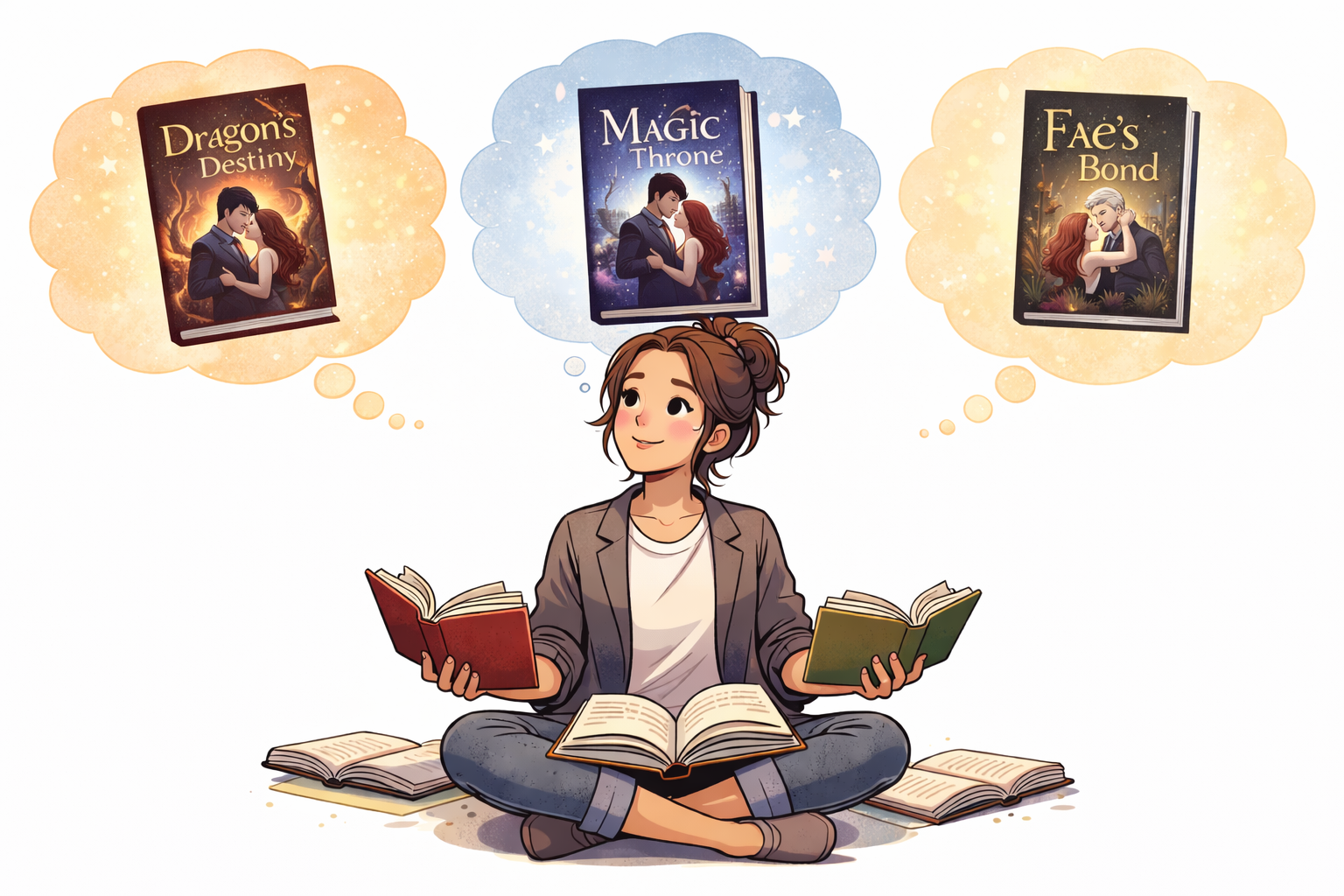
Patterns emerge across books, not just within them. That’s how you stop being impressed by novelty and start recognizing reruns.
#3 – Summaries refine taste and save you from bad commitments
Reading widely builds judgment. You learn what styles, arguments, and voices resonate before committing 10 hours and possibly your sanity.
That’s discernment, not laziness.
Writers have always done this, by the way. They skim. They revisit. They extract. They abandon books mid-sentence without apologizing to anyone. The idea that Serious Readers must approach every book cover to cover is surprisingly modern—and occasionally a teensy bit performative.

Despite what that image conveys, no one is giving out trophies for endurance reading, you endurance junkie. Unless you want one for wasting time the hard way. I mean whatever happened to mindlessly scrolling Tiktok? Or playing Zelda? Or trolling your bestie?
Here’s How it’s Really Done:
- In How to Read a Book, Mortimer J. Adler formalizes what he calls inspectional reading—a deliberate first pass that includes skimming, reading summaries, scanning structure, and deciding whether a book deserves deep reading at all.
- Virginia Woolf wrote about abandoning books, rereading fragments obsessively, and ignoring large sections that didn’t speak to her. She believed reading was about absorption and impression, not obligation.
- Umberto Eco openly defended strategic non-reading and knowing about many books rather than finishing all of them. In interviews and essays, he argued that intellectual strength comes from contextual knowledge and synthesis, not completion.
Summaries help you choose better books instead of staying in mediocre ones because you’ve already invested 200 pages and your pride.
#4 – Summaries improve memory because your brain likes compression
The brain remembers compressed meaning better than raw volume. Fewer ideas. Clearer relationships. Stronger retrieval.
Depth comes from layering, not first passes.
Summaries act like mental coat hooks.
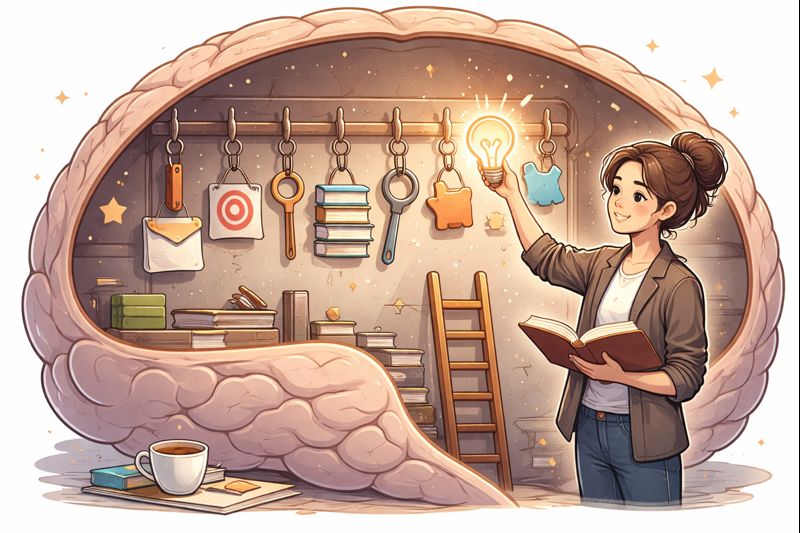
When you later read deeply, you already know where things go. You’re not wandering around thinking, “Why does everyone keep talking about this one concept with different names?”
Think of it like this:
- First contact = overview.
- Second = nuance.
- Third = integration.
Summaries handle the first layer so deep reading can actually be deep instead of “Wait, who is this again and why are we here?”
Conclusion: Summaries are scaffolding, not shortcuts

Remember:
- No one expects pilots to take off without checking the flight plan.
- No one assembles IKEA furniture without at least glancing at the instructions.
- No one boards a train without checking it’s going in the right direction.
- No one dives into open water without first checking where the sharks are.
- No one jumps into a group chat halfway through and confidently replies anyway.
But somehow, with reading, we’re expected to just jump in and hope for the best.
I read summaries to decide what deserves my full attention. Sometimes the summary is the reading. Sometimes it’s the doorway.
Both count.






 Green Where You Water It
Leave a comment